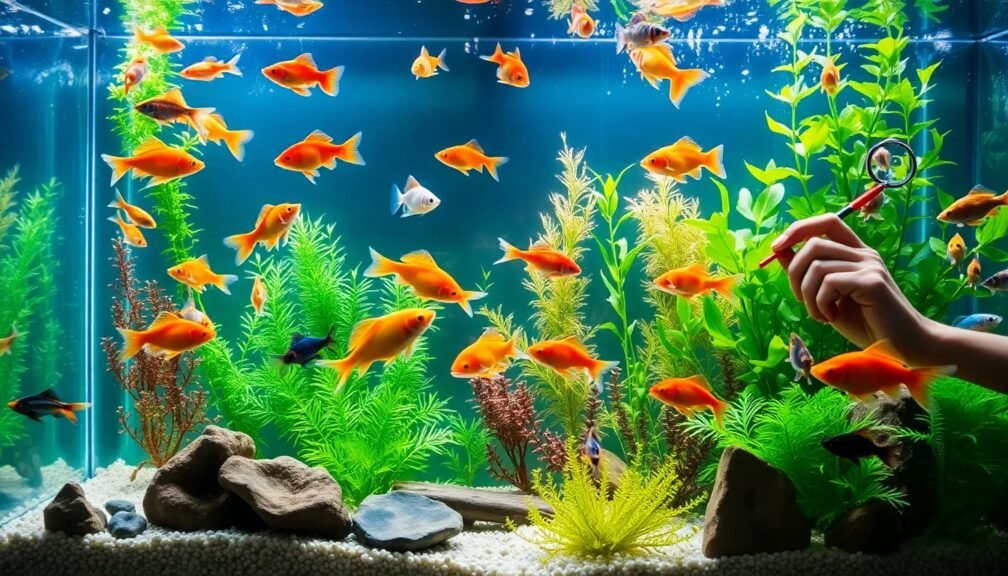
Aquariums are a captivating way to bring life into your home. They’re not just beautiful to look at; they also serve as a window into an underwater ecosystem that offers endless fascination. For first-time aquarists or seasoned fish keepers, understanding how to care for freshwater fish is paramount to creating a thriving aquatic environment. In this comprehensive guide, we will cover everything you need to know about aquariums and the care required for freshwater fish, ensuring your underwater friends live long and happy lives.
Understanding Your Aquarium Setup
Choosing the Right Aquarium Size
When selecting an aquarium, size matters significantly. Larger tanks (20 gallons or more) create a stable environment, while smaller tanks may lead to more rapid fluctuations in water parameters.
Benefits of Larger Aquariums:
- Better Water Stability: Larger volumes of water can absorb changes in pH, temperature, and ammonia more effectively than smaller tanks.
- More Stocking Options: A bigger tank allows you to keep a more diverse range of species.
Essential Equipment for Aquariums
Every aquarium requires specific equipment to maintain a healthy environment for your fish. Here are the essential items you’ll need:
- Filter: A good filtration system is crucial for maintaining water quality by removing harmful substances.
- Heater: Depending on the species of fish you keep, a heater may be necessary to regulate the water temperature.
- Lighting: Proper lighting not only enhances aesthetics but also promotes the growth of beneficial algae and plants.
- Substrate: Choosing the right substrate (gravel, sand, or soil) can have implications for both plant growth and the well-being of the fish.
Creating an Aquascape
An aquascape refers to the layout of your aquarium, including plants, rocks, and decorations. Planning your aquascape can greatly impact the aesthetics and health of your tank.
- Choose Natural Elements: Utilize natural rocks and driftwood to create hiding spots for fish, which is essential for species that may be shy or territorial.
- Incorporate Live Plants: Live plants not only enhance visual appeal but also improve water quality by absorbing excess nutrients and providing oxygen.
Selecting the Right Freshwater Fish
Popular Freshwater Fish Species
Understanding the needs of different fish species is vital. Here are a few popular options for community aquariums:
- Betta Fish: Known for their vibrant colors, these fish thrive in smaller tanks but require specific water conditions.
- Neon Tetra: These small, peaceful fish are perfect for community tanks and do well in schools.
- Guppies: Hardy and easy to breed, guppies are another colorful addition to any aquarium.
- Corydoras Catfish: Bottom-dwellers that help keep your aquarium clean, they are peaceful and enjoy being in groups.
Compatibility and Schooling
When stocking your aquarium, consider the compatibility of species. Some fish are territorial and may aggressively defend their space, while others thrive in schools.
- Research Fish Behavior: Understand which species can coexist peacefully. For example, Betta fish are known to be aggressive towards their own kind but can live harmoniously with peaceful community fish.
- Consider Schooling Fish: Many species, like Tetras and Rasboras, flourish in groups. Aim for at least five to six individuals of the same species to create a natural social dynamic.
Water Quality and Maintenance
Testing Water Parameters
Keeping a close eye on water quality is crucial for the longevity and health of your freshwater fish. Regularly test for:
- pH Levels: Most freshwater fish prefer slightly acidic to neutral water (pH 6.5 to 7.5).
- Ammonia and Nitrite: Both substances should be maintained at zero levels for the health of your fish.
- Nitrate: While some nitrate is acceptable, levels should ideally be below 20 ppm.
Routine Maintenance
Regular aquarium maintenance is essential for preventing issues before they arise. Here’s a simple maintenance schedule:
- Weekly 10%-15% Water Changes: This helps in keeping toxins at bay.
- Monthly Filter Cleaning: Clean or replace filters as required without harming beneficial bacteria.
- Bi-weekly Algae Scrubbing: Keeping algae in check prevents it from taking over your tank.
Feeding Your Freshwater Fish
Choosing the Right Food
A varied diet is key to keeping your fish healthy. Consider these options:
- Flakes and Pellets: Most species thrive on high-quality fish flakes or pellets.
- Frozen or Live Food: Treats like brine shrimp, daphnia, and bloodworms can enhance growth and coloration.
- Vegetables: Some herbivorous fish benefit from blanched vegetables such as zucchini or peas.
Feeding Schedules
Establishing a consistent feeding schedule is important. Feed fish once or twice a day, only as much as they can consume in a few minutes. Overfeeding can lead to poor water quality and health issues.
Handling Common Freshwater Fish Diseases
Identifying Symptoms
Just like any pet, fish can become ill. Learning to spot common ailments will help you diagnose problems early. Look for symptoms like:
- Strange Swimming Patterns: This can indicate stress or illness.
- Faded Colors or Scratching Against Objects: Signs of potential skin parasites or illnesses.
Basic Treatment Solutions
- Quarantine Sick Fish: Always place sick fish in a separate tank to prevent spreading diseases.
- Use Medications: Over-the-counter medications can help treat various diseases, but always follow instructions carefully.
Conclusion: Actionable Insights for Successful Fish Care
With the right knowledge and tools, keeping freshwater fish in aquariums can be a rewarding experience. Here are some actionable insights to ensure your aquatic friends thrive:
- Invest in Quality Equipment: Don’t skimp on filters and heaters—these are crucial for maintaining water quality.
- Stay Informed: Continuously educate yourself about different species and their needs.
- Be Observant: Watch your fish; they will tell you a lot about their health through their behavior.
- Network with Other Aquarists: Engage with local fish clubs or online communities for tips and support.
By following these guidelines, you can create a vibrant and thriving aquarium that provides enjoyment for years to come. Remember, a healthy fish is a happy fish, and a well-maintained aquarium is the foundation of a joyful aquatic adventure!