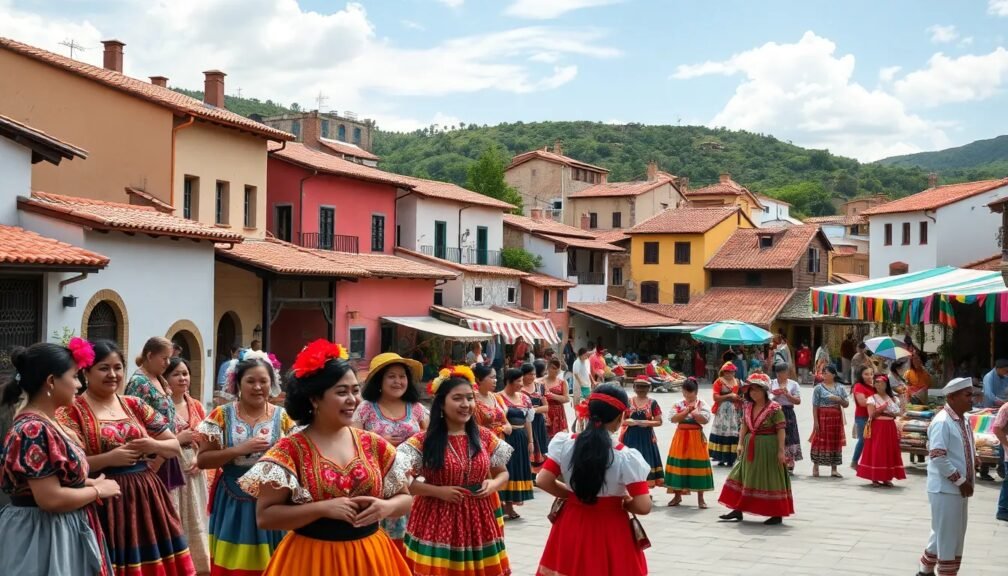
In a world rife with rapid globalization, cultural villages stand as sanctuaries of history, artistry, and human expression. These vibrant hubs showcase the rich traditions and lifestyles of various communities, making them an ideal destination for travelers seeking authenticity. From sultry markets filled with spices to rhythmic dances that tell time-honored tales, cultural villages provide an immersive experience that significant urban centers simply cannot replicate. In this article, we will explore cultural villages, their importance, unique features, and tips for visiting these remarkable locales.
What are Cultural Villages?
Cultural villages are communities or settlements that maintain and promote their traditional lifestyles and ancestral practices. They serve as living museums where artisans, storytellers, and performers keep the flame of their heritage alive. While the format may vary, each cultural village is a tapestry woven from the threads of local history, art, cuisine, and spirituality, offering visitors a tableau of experiences that reflect the essence of human culture.
The Importance of Cultural Villages
Cultural villages play a crucial role in preserving heritage. In an era where traditions are endangered by modernity, these vibrant communities serve as bastions for unique customs, languages, and lifestyles. They act as educational platforms, allowing tourists and locals alike to engage with their roots.
-
Preservation of Heritage: Many cultural villages actively work to protect the practices, languages, and arts of their ancestors, ensuring that future generations can learn from and contribute to their heritage.
-
Cultural Exchange: By welcoming visitors from around the world, cultural villages promote a dialogue between cultures, fostering mutual respect and understanding.
-
Economic Viability: Tourism in cultural villages is crucial for local economies. Visitors often buy local crafts and foods, providing communities with much-needed financial support.
-
Community Building: Cultural villages create a sense of belonging for their residents. They often involve communal activities and celebrations that strengthen social ties.
Features of Cultural Villages
Every cultural village is unique, but several common features define their essence.
Architecture and Design
The architecture in cultural villages often reflects the local environment—materials and styles are adapted to suit the climate and resources available. Whether it’s the thatched roofs of the Maasai villages in Kenya or the adobe structures of Pueblo villages in New Mexico, each building tells a story of adaptation and survival.
Traditional Arts and Crafts
From intricate beadwork to handwoven textiles, the artisans in cultural villages are often masters of their crafts. Workshops and demonstrations allow visitors to witness the painstaking labor that goes into each piece, fostering a deeper appreciation for these traditional art forms.
Culinary Experiences
Food is a vital aspect of culture. Many cultural villages offer cooking classes or local food tastings where visitors can delve into traditional recipes and ingredients. Whether sampling Ethiopian injera or savoring the fire-roasted delights of a Brazilian BBQ, culinary experiences transform your understanding of local culture.
Traditional Performances
Dance, music, and storytelling remain integral components of cultural expression. Most cultural villages feature performances that showcase historical events, folklore, or ceremonial practices. These interactive cultural expressions can range from ceremonial dances to collaborative musical experiences that encourage visitor participation.
Cultural Rituals and Festivals
Cultural villages often host vibrant festivals and rituals that celebrate seasonal changes, agricultural cycles, and historical events. These occasions offer snapshots into community life while inviting observers to participate in celebratory activities that transcend language barriers.
Top Cultural Villages to Visit
If you’re looking for authentic experiences, here are some must-visit cultural villages around the globe:
1. Acoma Pueblo, New Mexico, USA
Perched atop a mesa, Acoma Pueblo is one of the oldest continuously inhabited communities in North America. Visitors can explore the breathtaking views while learning about the rich traditions of the Acoma people, including pottery making and traditional ceremonies.
2. Maasai Mara, Kenya
The Maasai are known for their vibrant dress and rich traditions. Visiting a Maasai village offers a chance to engage with their history, learn about their livestock-rearing practices, and even participate in traditional dances.
3. Maharashtra, India
The cultural villages in Maharashtra showcase Indian-rooted traditions through dance, music, and crafts. Engage with the local communities, learn about Warli painting, and participate in festivity-centric activities to feel the pulse of rural India.
4. Lijiang, China
This ancient town is a UNESCO World Heritage Site. The Naxi people preserve their rich culture, which includes unique Dongba scripts and an ancient balanced musical form. Lijiang offers breathtaking scenery and cultural authenticity aplenty.
5. Sapa, Vietnam
Known for its stunning terraced fields and indigenous communities, Sapa is a fantastic place for trekking and immersing yourself in the lives of the Hmong and Dao ethnic groups. The rich textiles, warm hospitality, and lush landscapes create an unforgettable experience.
Tips for Visiting Cultural Villages
Exploring cultural villages can be an enlightening experience. Here are some essential tips to enhance your visit:
Respect Local Customs
Understanding and adhering to local customs and traditions is key. Each community has its own guidelines. For example, removing your shoes before entering a home, or dressing modestly can significantly impact how residents perceive visitors.
Engage with Locals
Take the time to converse with local artisans and community members. Ask questions, listen to their stories, and show genuine interest in their culture. This enriches your experience and builds mutual respect.
Participate Actively
Whether it’s participating in a traditional dance or embracing the challenges of a cooking class, active involvement promotes a deeper understanding of the culture. Aim for meaningful experiences rather than mere observation.
Support Local Economies
Buy crafts, foods, and other products directly from artisans. This not only supports the local economy but allows you to take a piece of the culture home.
Document Your Experience
Capture your memories through writing, photography, or sketching. Reflecting on your experiences can deepen your appreciation of what you’ve learned.
Conclusion: Embrace the Essence of Culture
Cultural villages offer a rich tapestry of human experience, where the past and present beautifully infuse. They remind us of the vibrant stories each community holds and the essential role these narratives play in our collective human identity.
Whether you’re a seasoned traveler or a curious newcomer, immersing yourself in cultural villages will leave you with valuable insights and unforgettable memories. So pack your bags and take a journey beyond the ordinary; the world of cultural villages awaits your discovery!