
Introduction
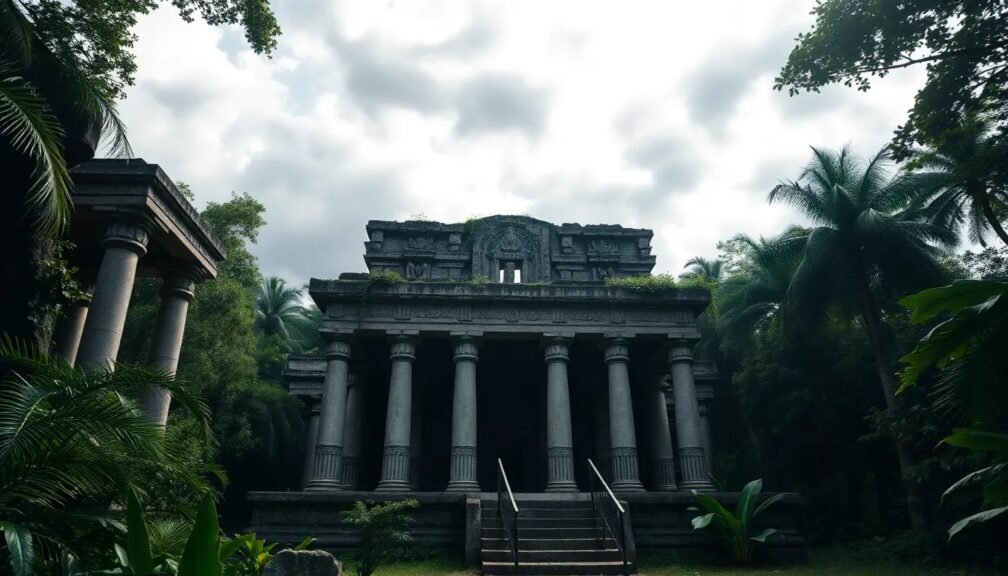
The world is dotted with ancient temples that stand as silent witnesses to civilizations long gone, holding secrets and mysteries that have fascinated historians, archaeologists, and curious minds alike. These structures, often steeped in spiritual significance, aesthetic brilliance, and cultural heritage, provide a window into the beliefs and practices of the societies that created them. As we delve into the mysteries of these ancient temples, we begin to unravel the stories of lost civilizations, exploring their intricacies, architecture, and the legacies they have left behind.
The Significance of Ancient Temples
A Connection to the Divine
Throughout history, ancient temples have served as places of worship, embodying the spiritual essence of their respective cultures. From the grand temples of Egypt dedicated to gods like Ra and Osiris to the intricate designs of Hindu temples in India honoring deities like Vishnu and Shiva, these sites have been focal points for communal worship and ritualistic practices. They remind us of humanity’s enduring quest for connection with the divine.
Architectural Marvels
The magnificence of ancient temples lies not just in their spiritual significance but also in their architectural brilliance. From the towering columns of the Parthenon in Greece to the mystical carvings of Angkor Wat in Cambodia, these structures showcase the artistic and engineering prowess of their creators. The alignment of temples with celestial bodies, intricate sculptures, and the use of local materials all highlight a deep understanding of both nature and aesthetics.
Famous Ancient Temples and Their Mysteries
The Great Temple of Karnak, Egypt
Located in Luxor, the Great Temple of Karnak is one of the largest religious complexes ever constructed. Dating back to around 2055 BC, this temple was dedicated to the Theban triad of Amun, Mut, and Khonsu. Its sheer size, alongside its significant archaeological finds, raises numerous questions about its purpose. How did the ancient Egyptians move such immense stones? What rituals took place within its walls? The mystery surrounding the temple continues to intrigue scholars and visitors alike.
Angkor Wat, Cambodia
Renowned for its stunning architecture and intricate bas-reliefs, Angkor Wat is the largest religious monument in the world. Originally constructed in the 12th century as a Hindu temple, it later transformed into a Buddhist shrine. The shifting religious focus raises compelling questions about the cultural and political changes in the region over centuries. Moreover, the temple’s alignment with celestial events, particularly the sun’s rise and set, reveals the advanced understanding of astronomy possessed by its builders.
The Temple of the Inscriptions, Mexico
Home to the tomb of the Maya ruler Pakal the Great, the Temple of the Inscriptions in Palenque is renowned for its stunning hieroglyphics that narrate the history of the Maya civilization. Discovered in 1952, the texts provided insights into Mayan cosmology, mythology, and politics. However, many aspects of their society and the context of their practices remain shrouded in mystery, inviting further research and exploration.
Uncovering the Mysteries: Archaeological Insights
Tools and Techniques
Modern archaeology employs sophisticated tools that unveil the secrets of ancient temples. Ground-penetrating radar, laser scanning, and 3D modeling allow researchers to explore these sites without disturbing them. These techniques offer insights into temple layouts and hidden chambers, revealing more about the practices and lives of the civilizations that built them.
Interpretation of Artifacts
Artifacts found within ancient temple complexes provide a wealth of information. From pottery and tools to religious statues and inscriptions, each item sheds light on daily life, religious practices, and societal structures. By examining these artifacts, archaeologists can piece together the behavior, customs, and evolution of the civilizations surrounding these ancient temples.
The Cultural Legacy of Ancient Temples
Spiritual and Cultural Identity
Ancient temples have shaped spiritual and cultural identities over millennia. They are often viewed as symbols of national pride, attracting pilgrims and tourists. Countries like India, Mexico, and Greece celebrate their historical and architectural significance, acknowledging the vital roles these temples play in connecting people to their roots.
Modern Adaptations
Today, many ancient temples still actively serve as places of worship, blending the past with the present. Festivals, rituals, and ceremonies continue, ensuring that the cultural relevance of these sites transcends time. Additionally, many communities around ancient temples engage in efforts to preserve their heritage, highlighting the importance of stewardship in safeguarding these treasures for future generations.
Actionable Insights for Visitors
Planning Your Visit
When planning a visit to ancient temples, consider the following tips:
- Research the History: Understanding the historical context enhances your appreciation of the site.
- Respect Local Customs: Dress modestly, especially in sites that are still active places of worship.
- Support Local Economies: Purchase crafts or services from locals to contribute to the community’s sustainability.
- Consider Guided Tours: Engage with knowledgeable guides to gain deeper insights into the temple’s mystery.
Preserving Ancient Temples
As we explore these ancient temples, it’s vital to consider our role in their preservation. Simple actions such as not touching intricate carvings, staying on prescribed paths, and following guidelines help ensure these sites remain intact for future generations. Advocacy for sustainable tourism also supports conservation efforts, allowing everyone to enjoy these historical treasures.
Conclusion
Exploring ancient temples is much more than a mere visit to historical sites; it’s a journey through the beliefs, artistry, and resilience of lost civilizations. These structures hold stories that connect us to the divine, reflect our shared humanity, and remind us of the importance of cultural heritage. By unraveling their mysteries, we not only honor those who came before us but also enrich our understanding of our own place in the vast tapestry of history. So, embark on this journey, and let the ancient temples unveil the mysteries that await you.


