The world is filled with incredible stories hidden in plain sight, waiting to be uncovered. These tales linger in the air, whispering secrets of the past that shaped our present. Historical sites serve as remarkable windows into bygone eras, offering a tangible link to humanity’s rich tapestry of experiences. From ancient ruins to grand castles, exploring these monumental spaces not only enriches our understanding of history but also invites us to immerse ourselves in the cultures and lives of those who came before us.
In this article, we’ll delve deeply into the allure of historic sites, their significance, and how to visit them responsibly. Let’s embark on this journey through time!
The Importance of Historic Sites
Understanding Our Roots
Historic sites are crucial in helping us comprehend our collective identity. They provide context regarding societal developments, political frameworks, and cultural evolution. Whether it’s the remnants of a once-thriving civilization or a memorial honoring a pivotal event, these locations encapsulate invaluable lessons about humanity.
A Resource for Education
Schools often include visits to historic sites in their curricula to provide students with a tangible understanding of history. Walking the grounds of these locations offers a sensory experience that textbooks alone cannot provide. From analyzing ancient architecture to examining artifacts, historic sites serve as living classrooms.
Cultural Preservation
Many historic sites are preserved or restored to honor the heritage of specific communities. This preservation is vital not only for educational purposes but also to foster pride among local populations. By protecting these sites, we ensure that future generations can learn about their cultural backgrounds.
Types of Historic Sites
Ancient Ruins
Throughout the world, ancient ruins tell a different tale. From the majestic ruins of Machu Picchu in Peru to the iconic Coliseum in Rome, these sites invite us to step back into time. Ancient ruins have endured the test of time, and they reflect the architectural ingenuity and social structures of their respective eras.
Forts and Castles
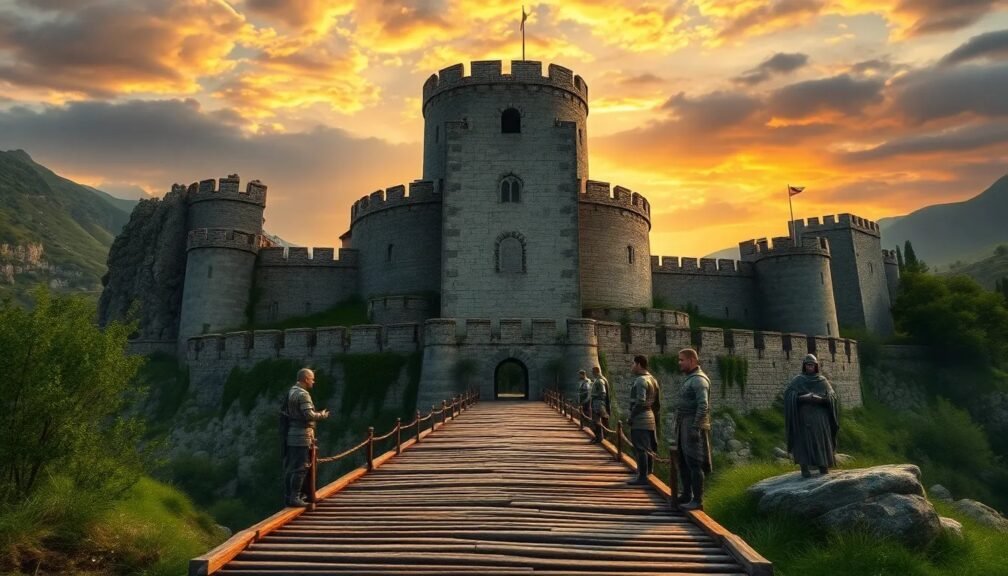
Forts and castles offer a glimpse into the military strategies and domestic lives of past societies. Structures like the Tower of London and Neuschwanstein Castle in Germany showcase not only the historical significance of defensive architecture but also the opulence of royal living. These sites often narrate stories of wars, conquests, and power struggles.
Historic Towns
Some towns themselves are historic sites, embodying centuries of community and culture. Cities like Williamsburg in Virginia or Dubrovnik in Croatia offer immersive experiences wherein visitors can explore restored buildings, traditional crafts, and period-specific entertainment, giving life to history like never before.
Memorials and Museums
Memorials and museums serve as somber reminders of significant events or tribulations, often structured to evoke reflection and remembrance. From the Holocaust Memorial in Berlin to the 9/11 Memorial in New York City, these locations educate and honor those who were affected by historical events.
How to Discover Historic Sites Responsibly
Plan Your Visit
Before embarking on your journey to historic sites, effective planning is essential. Research the historical significance, visiting hours, and any potential restrictions. Make sure to check for guided tours, which often provide valuable insights that can enhance your understanding of the site.
Respect Regulations
Each historic site has rules in place to protect its integrity and ensure the safety of visitors. Always abide by guidelines, which can include designated pathways, photography restrictions, and interaction rules with artifacts. Respect these regulations to help preserve these vital structures for future generations.
Be Mindful of Guided Tours
Participating in guided tours can provide in-depth knowledge and context about the history of a site. Expert guides often share anecdotes, myths, and historical narratives that may not be found in brochures or online. Moreover, a guided experience can illuminate the significance of the site in its broader historical context.
Leave No Trace
As with any travel experience, it is crucial to maintain a “leave no trace” mentality when visiting historic sites. This includes disposing of trash responsibly and refraining from touching or altering any artifacts. Such actions ensure the preservation of these treasures for all who choose to visit in the future.
Famous Historic Sites Worth Visiting
1. The Great Wall of China
Stretching over 13,000 miles, the Great Wall is an architectural marvel that demonstrates the ingenuity of ancient engineering. Its construction began as early as the 7th century BC and symbolizes China’s historical significance.
2. The Pyramids of Giza
The Pyramids of Giza are iconic artifacts of ancient Egypt, showcasing the advanced skills of the civilization. The Great Pyramid, built for Pharaoh Khufu, remains one of the Seven Wonders of the Ancient World.
3. The Colosseum in Rome
This ancient amphitheater once hosted gladiatorial contests and public spectacles. Its grandeur and design represent Roman engineering and cultural life during the height of the Empire.
4. Stonehenge
One of the most famous prehistoric monuments, Stonehenge continues to spark debates about its origins and purpose. This mysterious site offers insight into ancient rituals and astronomical alignments.
5. Petra in Jordan
Once a thriving trade hub, Petra is renowned for its stunning rock-cut architecture and water conduit system. The site conceals secrets within its sandstone walls, making it a marvel of ancient innovation.
Conclusion: Journeying Through Time
The exploration of historic sites not only quenches our thirst for adventure but also deepens our connection with humanity’s past. Whether you’re an avid historian, a casual traveler, or a curious soul, visiting these locations opens doors to stories that have shaped our world today. As you embark on your own journey through time, remember to approach each site with an open heart and a sense of responsibility.
Actionable Insights
-
Research Before You Go: Familiarize yourself with the significance of the site you’re visiting. Knowledge enhances experience.
-
Engage with Locals: Speak to local historians or guides for deeper insights and personalized stories.
-
Document Your Experience: Keep a travel journal or blog about your visits to historic sites to reflect on what you learned.
-
Take Action: Support preservation initiatives by donating to heritage organizations or participating in community clean-up events at historic sites.
By weaving these practices into your travels, you become a steward of history, helping to protect the stories that connect us all. So pack your bags, grab your camera, and set out to discover the secrets of the past that await you in historic sites around the world!