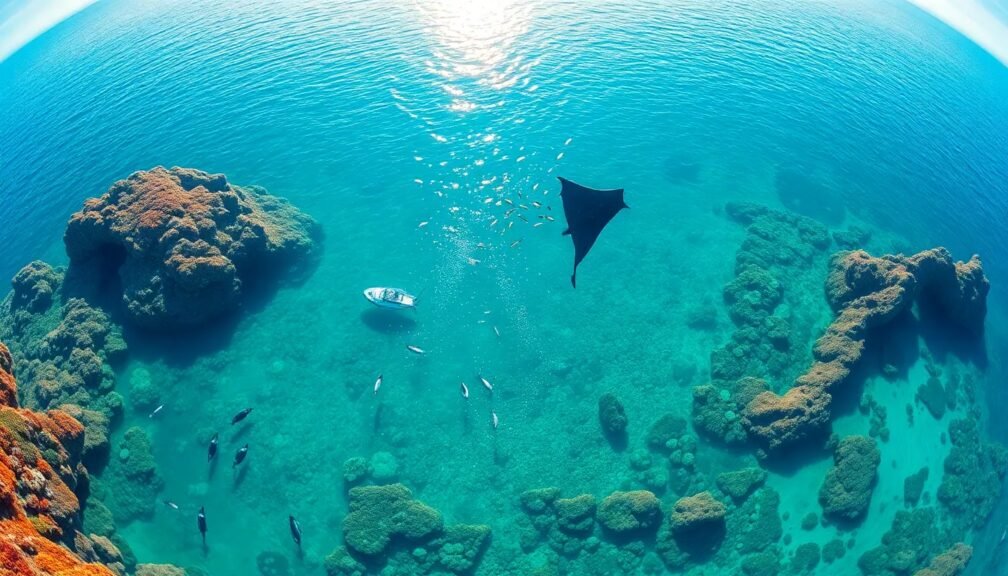
The ocean covers over 70% of our planet’s surface, teeming with life and mysteries waiting to be uncovered. Among the most effective ways to protect these underwater wonders is through the establishment of marine parks. These sanctuaries preserve biodiversity, offer recreational opportunities, and contribute significantly to research and education. In this article, we will explore the captivating world of marine parks, understanding their importance, the treasures they harbor, and how you can connect with these magnificent environments.
What are Marine Parks?
Marine parks are designated areas in oceans, seas, and coastal regions specifically created to protect marine ecosystems. They are akin to national parks on land, providing habitats for various species, promoting conservation efforts, and offering a regulated environment for human activities. These parks aim to achieve a balance between conservation and sustainable use of marine resources.
The Role of Marine Parks in Conservation
Marine parks play a crucial role in preserving biodiversity. They safeguard fragile ecosystems such as coral reefs, mangroves, and seagrass beds that are vital to marine life. With over 80% of the ocean yet to be explored, marine parks offer a glimpse into what lies beneath the waves.
-
Biodiversity Protection: Marine parks serve as safe havens for countless species, including fish, marine mammals, and unique invertebrates. This protection helps ensure genetic diversity and enhances the resilience of ecosystems to climate change.
-
Habitat Restoration: These parks often include initiatives for habitat restoration, allowing damaged areas to flourish again. For instance, coral restoration projects can help rebuild reef systems, which are essential for marine biodiversity.
-
Research Opportunities: Marine parks provide a controlled environment for scientists and researchers to study marine ecosystems. This research is invaluable for understanding the impacts of human activity on the ocean and developing effective conservation strategies.
The Wonders of Marine Parks: What Can You Discover?
Diving into a marine park isn’t just a recreational activity; it’s an opportunity to witness the transformative beauty of our oceans. Different marine parks around the world boast unique features and ecosystems. Here’s what you can expect to encounter in these underwater paradises:
Coral Reefs
Coral reefs are often called the “rainforests of the sea” due to their incredible biodiversity. A marine park like the Great Barrier Reef Marine Park in Australia showcases stunning coral formations, vibrant colors, and myriad species of fish and other marine life.
Marine Life Encounters
In marine parks, you can engage in activities like snorkeling and scuba diving to get up close with marine creatures. Observe majestic manta rays, playful dolphins, and even elusive sea turtles. Each encounter is a reminder of the importance of preserving these species and their habitats.
Seagrass and Mangrove Ecosystems
Many marine parks feature vital seagrass and mangrove ecosystems. Seagrasses provide a nursery for many fish species, while mangroves protect coastlines from erosion and serve as crucial environments for various birds and marine fauna.
Educational Programs and Ecotourism
Several marine parks offer educational programs aimed at raising awareness about marine conservation. Guided tours, workshops, and marine wildlife spotting are some activities available to visitors, fostering a connection to the marine environment and promoting sustainable practices.
Unique Geological Features
Underwater landscapes vary between parks. You may find underwater caves, unique rock formations, and volcanic seamounts rich in nutrients that create astonishing marine habitats. Places like the Galápagos Islands Marine Reserve present unique geological features that contribute to extraordinary biodiversity.
The Economic Impact of Marine Parks
Marine parks are not just ecological sanctuaries; they also hold significant economic value. Here are some of the ways they contribute to local economies:
-
Tourism Revenue: Marine parks attract millions of visitors each year, generating substantial income through ecotourism. Activities like boat tours, snorkeling, and guided dives contribute to local economies.
-
Job Creation: The establishment and maintenance of marine parks create jobs in various sectors, from tourism and hospitality to scientific research and conservation efforts.
-
Sustainable Fisheries: Through regulated fishing in and around marine parks, sustainable fisheries can thrive, providing communities with a steady source of income while allowing marine populations to recover.
How to Explore and Support Marine Parks
Exploring marine parks can be an enriching experience. However, it’s essential to approach these environments with respect and consciousness. Here are several actionable ways you can contribute to marine conservation while enjoying your time at marine parks:
Engage in Responsible Recreational Activities
- Follow Park Guidelines: Always adhere to the rules set by marine park authorities regarding snorkeling, diving, and fishing. These rules are in place to protect the delicate ecosystems.
- Use Eco-friendly Products: If visiting a marine park, opt for reef-safe sunscreens and other eco-friendly products to minimize environmental impact.
Participate in Volunteer Programs
Many marine parks offer opportunities for volunteers to get involved in restoration projects, research, and educational outreach. By participating, you’ll not only contribute to the conservation efforts but gain firsthand experience that deepens your connection to our oceans.
Advocate for Marine Conservation
Educate yourself about the issues facing marine ecosystems and share that knowledge within your community. Advocacy can take many forms, including supporting legislation that aims to protect marine environments, participating in beach clean-ups, and reducing plastic usage.
Support Local Conservation Organizations
Numerous organizations work tirelessly to protect our oceans and marine parks. Consider contributing financially or through volunteering to these groups dedicated to marine conservation efforts.
Conclusion
Marine parks represent some of the world’s most precious ecosystems, protecting our oceans’ hidden wonders while allowing us to explore their beauty. As stewards of the planet, it’s our collective responsibility to preserve these environments for future generations. Whether through eco-friendly tourism, volunteering, or simply raising awareness, there are numerous ways to engage with marine parks.
So, pack your snorkeling gear, plan a visit to a nearby marine park, and immerse yourself in the mesmerizing underwater world. Together, we can ensure that these natural treasures remain intact, allowing us to continue exploring the ocean’s hidden wonders for years to come.