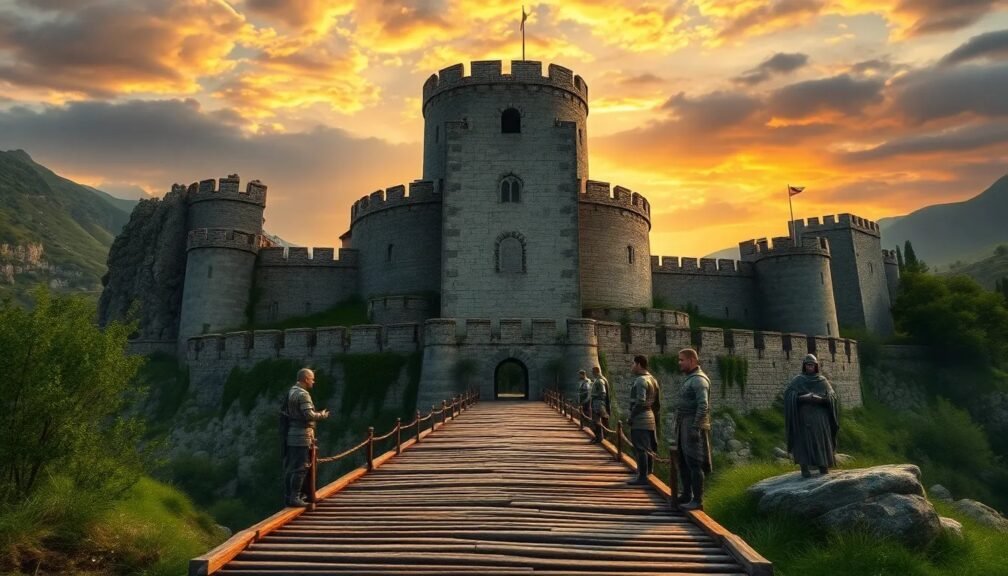
When we think of medieval castles, images of towering stone walls, majestic battlements, and timeless grandeur spring to mind. These magnificent structures have stood the test of time, serving as symbols of power, protection, and history. But what makes medieval castles endure through the centuries? In this article, we delve into the fascinating secrets behind their design and construction, exploring how these architectural marvels have survived both natural elements and human conflict.
The Purpose Behind the Stone
Defense and Strategic Location
The primary function of medieval castles was defense. Erected during a time of frequent warfare and political instability, their designs were meticulously crafted to withstand sieges. Locations were often chosen for strategic advantages—elevated terrains provided better visibility, while proximity to resources like water sources was crucial. Guard towers, thick walls, and narrow entry points were integral to combat, maximizing the castle’s defensive capabilities.
Symbol of Power
A castle wasn’t merely a fortress; it was also a symbol of a lord’s wealth and influence. The grandeur of its design and its imposing presence in the landscape served to assert authority over the surrounding lands. The architecture of medieval castles often included decorative elements that displayed the wealth of their owners, ensuring they were not just functional but also visually impressive.
Architectural Elements that Stand the Test of Time
Robust Materials and Construction Techniques
The materials used in constructing medieval castles played a significant role in their longevity. Stone was preferred over wood because of its durability and resistance to fire. The use of locally sourced stone not only ensured structural integrity but also gave each castle a unique identity based on its regional geology.
Moreover, the construction techniques of the time were innovative. The use of mortise and tenon joints, for instance, allowed stones to be tightly secured together. Thick walls, sometimes reaching up to 10 feet, were standard, designed to absorb the impact of artillery and siege weapons. Arched doorways and vaulted ceilings also contributed to the strength and stability of these ancient fortresses.
Battlements and Defensive Features
The castles were equipped with distinctive defensive features, such as battlements, arrow slits, and drawbridges. Battlements, or parapets, provided cover for archers and soldiers while allowing them to attack enemies from a secure position. Arrow slits were strategically placed openings that allowed defenders to shoot arrows while minimizing their vulnerability.
Drawbridges added an additional layer of security. They could be raised to prevent access during a siege, and moats often surrounded castles, deterring invaders and making breach attempts more difficult.
The Evolution of Castle Design
From Simple Structures to Complex Fortresses
The evolution of medieval castles is remarkable. Early designs, known as motte-and-bailey castles, were simple wooden structures built on earthen mounds. These were often temporary but laid the groundwork for more complex stone fortifications.
As the medieval period progressed, castle designs evolved to include concentric layouts with multiple layers of defense. The designs were influenced by advancements in military technology, leading to changes in architecture and construction methods.
The Influence of the Normans
When the Normans invaded England in the 11th century, they brought with them advanced building techniques and a unique architectural style. This resulted in the establishment of several iconic medieval castles, like the Tower of London and Windsor Castle. The use of massive stone walls and intricate designs from the Norman era set new standards in castle construction, influencing generations of builders.
Maintenance and Adaptation: Secrets to Longevity
Continuous Upkeep
One of the critical secrets behind the enduring structures of medieval castles is the continuous maintenance they received. Rulers understood the importance of maintaining their strongholds, investing in repairs and upgrades that adapted their castles for evolving warfare techniques.
Regular upkeep was essential not just for functionality but also for preserving the aesthetic appeal of these ancient structures. Many castles still attract tourists and historians today due to their well-documented conservation efforts.
Adapting to Change
Throughout history, many medieval castles transitioned from military fortifications to royal residences and administrative centers. This adaptability is crucial; as the nature of conflict evolved, castles were re-purposed. They often incorporated features such as intricate gardens, elaborate inner courtyards, and luxurious living quarters.
Cultural and Historical Impact
A Reflection of Society
Medieval castles are a reflection of the society in which they were built. They are not only structures of stone and mortar but also represent the political and social dynamics of their time. Castles encapsulate stories of kings, queens, lords, and common people—making them invaluable to historians and archaeologists.
Architectural Inspiration
The architectural styles of medieval castles have inspired countless structures throughout history and have left a lasting mark on modern architecture. Elements like turrets, battlements, and grand entrances can be seen across various types of buildings today, showcasing the lasting influence of medieval designs.
Conclusion: Unraveling the Mysteries of Medieval Castles
Medieval castles are not merely relics of the past; they are magnificent representations of human ingenuity, as well as testimonies of tumultuous centuries gone by. The enduring structures we marvel at today provide insight into the lives of those who lived within their walls and the complex histories they represent.
Actionable Insights
-
Visit a Castle: Immerse yourself in history by visiting a local medieval castle, exploring its architecture, and understanding the life that once thrived within its walls.
-
Learn More About Architecture: Consider taking courses on medieval architecture to appreciate the intricacies involved in constructing these structures.
-
Read Historical Accounts: There are countless books and resources about medieval history that delve into the fascinating lives of those who inhabited castles.
-
Explore Conservation Efforts: Support organizations dedicated to the preservation of historical sites, as these efforts help maintain the legacy of medieval castles for future generations.
Delve into your own exploration of medieval castles; their secrets are waiting to be unearthed, and their histories are yearning to be told. Each stone holds a story that shapes our understanding of history, culture, and human resilience.