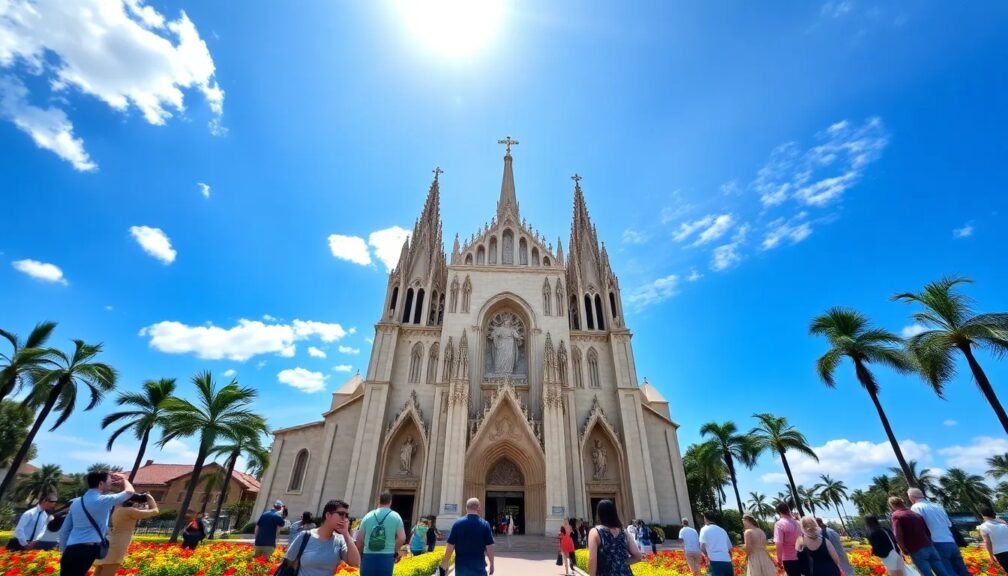
Shrines are not merely structures but profound reflections of cultural heritage and spiritual significance. From ancient times to the modern era, these sacred spaces have played a vital role in religious practices, attracting thousands of pilgrims and travelers alike. In this article, we will explore the diverse world of shrines, their historical importance, the different types, and why they continue to resonate with people across the globe.
What Are Shrines?
At their core, shrines are locations regarded as holy or sacred, often dedicated to a specific deity, ancestor, or significant event. They can take many forms—from simple altars to grand temples—and may be found across various religious traditions, including Christianity, Buddhism, Hinduism, and Shintoism. Often, shrines serve as places of worship, meditation, and reflection, offering solace to those who visit.
The Historical Significance of Shrines
Ancient Origins
Historically, shrines date back thousands of years. In ancient civilizations, such as Mesopotamia and Egypt, shrines were integral to societal structure. These early sacred sites were believed to be where gods dwelt on Earth, and people offered sacrifices to entice divine favor.
Evolution Through Cultures
As cultures evolved, so did the concept of shrines. In Hinduism, for example, shrines to deities like Vishnu and Shiva became prominent, each designed with unique architectural styles and symbols. In Christianity, places such as cathedrals and significant burial sites of saints transitioned into revered shrines that attracted pilgrims and tourists.
Types of Shrines
Shrines can be categorized based on their religious and cultural contexts. Below are several prominent types:
1. Religious Shrines
These are perhaps the most recognized types. Religious shrines might be:
- Buddhist Shrines: Such as Stupas and Pagodas, often housing relics.
- Hindu Shrines: Temples dedicated to various deities, richly adorned with sculptures and paintings.
- Christian Shrines: Places like the Church of the Holy Sepulchre in Jerusalem, which holds significant religious importance.
2. Cultural Shrines
Beyond religion, some shrines commemorate historical events or figures. For instance:
- The Lincoln Memorial in the United States serves as a tribute to Abraham Lincoln, embodying American ideals of freedom and equality.
- The Hiroshima Peace Memorial in Japan honors the victims of the atomic bomb and promotes a message of world peace.
3. Natural Shrines
Nature itself can be a shrine. Sacred groves or mountains are often seen as dwelling places of spirits. Such locations promote environmental reverence, emphasizing humanity’s connection to nature. Examples include:
- Mount Fuji in Japan, regarded as sacred in Shinto beliefs.
- Uluru, or Ayers Rock, in Australia, which holds deep significance for Indigenous Australians.
The Pilgrimage Experience
1. Spiritual Journey
Visiting shrines often involves a pilgrimage, a journey undertaken for spiritual growth. Holy sites can facilitate introspection and a sense of belonging. Many people find that the physical act of traveling to a shrine enhances their spiritual connection.
2. Cultural Exchange
Sites of great religious significance often become melting pots of culture. For example, during the Hajj in Islam, millions gather in Mecca, exchanging stories, traditions, and fostering global camaraderie. Such cultural interactions enrich the pilgrimage experience, making it memorable and transformative.
Famous Shrines to Discover
1. The Ayer’s Rock Shrine in Australia
Also known as Uluru, this iconic sandstone monolith is not just a natural wonder but also a spiritual site for the Indigenous Anangu people. Visitors can learn about the local culture and respect the sacredness of this natural shrine.
2. The Shwedagon Pagoda in Myanmar
Standing at 99 meters, this golden stupa is one of the most sacred places in Buddhism. Pilgrims can walk around, offering flowers and candles, allowing for deep spiritual reflection amidst bustling surroundings.
3. Kinkaku-ji in Japan
The Golden Pavilion is a Zen Buddhist temple surrounded by beautiful gardens and a serene pond. A visit to Kinkaku-ji offers peace, tranquility, and stunning beauty, representing the essence of Japanese spirituality.
4. The Vatican City
Home to Saint Peter’s Basilica and the papal residence, the Vatican serves as a central hub for Christians worldwide. The richness of history and art found in its shrines attracts millions of visitors yearly.
Why Explore Shrines?
1. Cultural Immersion
Visiting shrines allows travelers to immerse themselves in local cultures and traditions. Each shrine tells a unique story, revealing aspects of its community’s beliefs and history.
2. Personal Reflection
Shrines provide an ideal space for personal reflection and meditation. In our fast-paced world, these sacred places can foster mindfulness and help visitors connect with their inner selves.
3. Global Connection
Experiencing diverse shrines can create a sense of unity among people regardless of their backgrounds. Sharing experiences in sacred spaces promotes understanding and appreciation of different faiths and cultures.
Preparing to Visit a Shrine
1. Research Ahead of Time
Before visiting, research the shrine’s significance, customs, and local regulations. Understanding etiquette—such as dress codes—can enrich your experience while showing respect for the site’s sacredness.
2. Plan for Your Experience
Make the most of your visit by planning what you’d like to do. Consider joining guided tours, participating in local rituals, or spending time in quiet contemplation.
3. Document Your Journey
Bringing a journal or camera can help you document your thoughts and experiences. Reflecting on your journey can be a fulfilling aspect of your exploration.
Conclusion: The Timeless Appeal of Shrines
Shrines represent the convergence of spirituality, history, and culture. They invite exploration and introspection while fostering a sense of unity among diverse communities. As you consider your next travel destination, reflect on the various sacred spaces around the world. Whether you’re seeking spiritual renewal, cultural knowledge, or profound beauty, shrines are waiting to be discovered.
Actionable Insights
- Plan Your Visit: Make a list of shrines you’d like to explore and learn about their history.
- Respect Local Traditions: Familiarize yourself with the customs related to each shrine to engage respectfully.
- Share Your Experience: Consider sharing your experiences with others. This can promote understanding and appreciation of different cultures and beliefs.
In a world driven by change, the timeless appeal of shrines endures, reminding us of our shared humanity and the quest for meaning within and beyond ourselves.