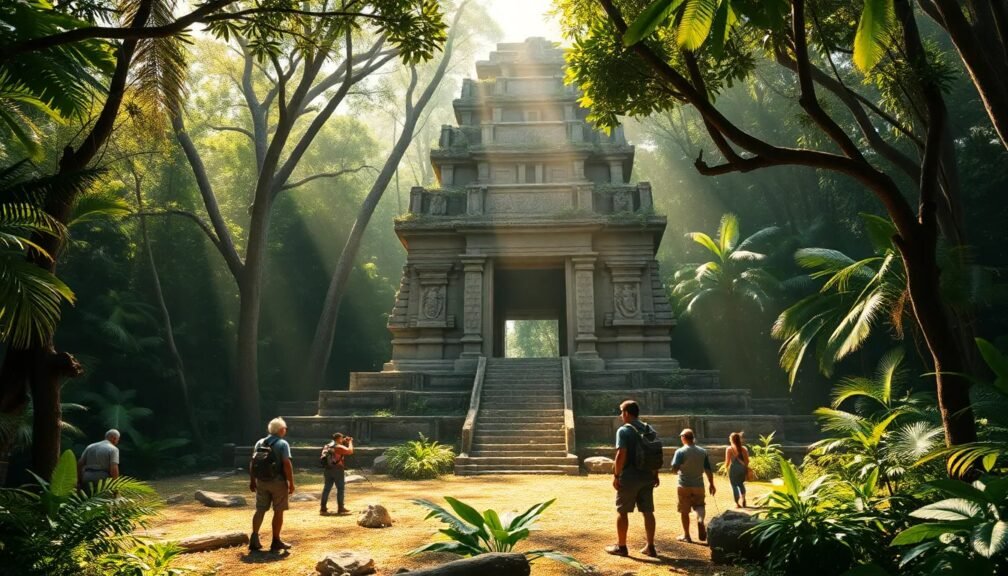
The allure of ancient civilizations often leads travelers to renowned landmarks like the Great Wall of China or the Pyramids of Giza. But nestled within the shadows of such popular UNESCO sites are hidden gems that offer equally compelling stories of human history. In a world where the past often feels overshadowed by modernity, these lesser-known UNESCO sites still retain their historical significance, cultural richness, and stunning beauty. Whether you’re a history enthusiast or an adventurous traveler, uncovering these hidden treasures can provide a deeper appreciation of our shared human heritage.
What Are UNESCO Sites?
UNESCO sites are locations recognized for their outstanding cultural or natural significance. The United Nations Educational, Scientific and Cultural Organization (UNESCO) has created the World Heritage List, which includes sites that are deemed important for preserving human history and values. These sites can range from ancient ruins and archaeological sites to natural landscapes and architectural marvels, each telling a unique story.
Significance of UNESCO Sites
The identification of UNESCO sites serves multiple purposes. Primarily, it aims to raise awareness about the importance of cultural heritage and encourage preservation efforts. These sites not only offer insights into the histories and philosophies of different cultures but also serve as focal points for diversity, creativity, and innovation. By exploring these sites, visitors can enjoy a narrative that spans centuries, providing context to today’s rapidly changing world.
The Hidden Gems: Lesser-Known UNESCO Sites Worth Exploring
While monuments like the Colosseum or Machu Picchu attract millions, numerous lesser-known UNESCO sites offer rich narratives and stunning beauty, often away from the tourist crowds. Here, we highlight several of these hidden ancient gems.
1. The Ancient City of Petra, Jordan
Location: Petra, Ma’an Governorate, Jordan
Why Visit: Often overshadowed by more famous sites, Petra is a masterpiece of engineering and architecture carved into rose-red sandstone. This archaeological wonder, dating back to around 300 B.C., served as a critical trade hub between the East and West. The intricate façade of Al-Khazneh, or the Treasury, is arguably one of the most iconic structures you’ll encounter.
Tip: Visit during the early morning or late afternoon to capture the best light for photographs while avoiding the larger crowds.
2. The Historic Town of Sukhothai and Associated Towns, Thailand
Location: Sukhothai Province, Thailand
Why Visit: Often overlooked in favor of Bangkok and Chiang Mai, Sukhothai was the capital of the first Kingdom of Siam during the 13th and 14th centuries. The extensive ruins of temples, including Wat Mahathat, offer insights into the art and architecture of early Thai civilization.
Tip: Consider renting a bicycle to explore the expansive historical park, allowing you to immerse yourself in the tranquil landscapes.
3. The Sites of Japan’s Historic Monuments of Ancient Nara
Location: Nara, Japan
Why Visit: Nara is home to some of Japan’s oldest and most revered temples, including Todai-ji, which houses a giant statue of Buddha. The city played a crucial role in the development of Japanese culture and religion.
Tip: Don’t miss Nara Park, where friendly deer roam freely, adding to the ambiance of this peaceful city.
4. The Ruins of Great Zimbabwe, Zimbabwe
Location: Masvingo Province, Zimbabwe
Why Visit: Often associated with tales of ancient riches, Great Zimbabwe showcases the architectural prowess of the Shona civilization, dating from the 11th to 15th centuries. The impressive stone structures offer insights into trade, culture, and economy of a once-thriving city.
Tip: Hire a local guide to delve deeper into the history, discovering stories and insights that might be missed during a solo visit.
5. The Citadel of Aleppo, Syria
Location: Aleppo, Syria
Why Visit: One of the oldest inhabited cities in the world, the Citadel of Aleppo provides a window into ancient military architecture and history. Although affected by recent conflicts, its resilience and historical significance shine through the ruins.
Tip: Check current travel advisories and conditions to ensure a safe visit. Engage with local historians to gain a unique perspective on Aleppo’s rich past.
The Importance of Preserving UNESCO Sites
As beautiful and culturally rich as these hidden gems are, they face various threats. Climate change, urbanization, political instability, and mass tourism can compromise their integrity. Therefore, supporting preservation efforts is paramount. Here are actionable insights on how travelers can contribute:
1. Choose Sustainable Tourism
Select eco-friendly tours and accommodations that prioritize sustainability. Supporting local guides not only enriches your experience but also helps the local economy.
2. Respect Local Cultures
Engage with local communities and practice responsible tourism. Be aware of cultural sensitivities, and follow guidelines provided at each site to minimize your impact.
3. Spread Awareness
Share your experiences on social media and with friends and family. Highlighting the beauty and importance of lesser-known UNESCO sites can inspire others to explore and respect them.
Conclusion: Uniting Past and Present through UNESCO Sites
Exploring lesser-known UNESCO sites offers a unique opportunity to connect with histories that often remain hidden in travel guides. From the majestic cliffs of Petra to the serene ruins of Sukhothai, each site tells a story waiting to be discovered.
As travelers, we hold the power to appreciate and support these ancient jewels, ensuring that future generations share in the magic of human history. So, the next time you plan a trip, consider stepping off the beaten path. Visit these hidden gems and immerse yourself in the global tapestry that connects us all through time. By doing so, you’ll not only enrich your travel experience but also contribute to preserving our shared cultural heritage.
Whether you’re wandering through the ruins of Great Zimbabwe or cycling around the temples of Sukhothai, let each visit remind you of our profound connection to history and the importance of its preservation. Start planning your journey to these UNESCO sites today and embark on an adventure that both enriches your spirit and supports heritage conservation.