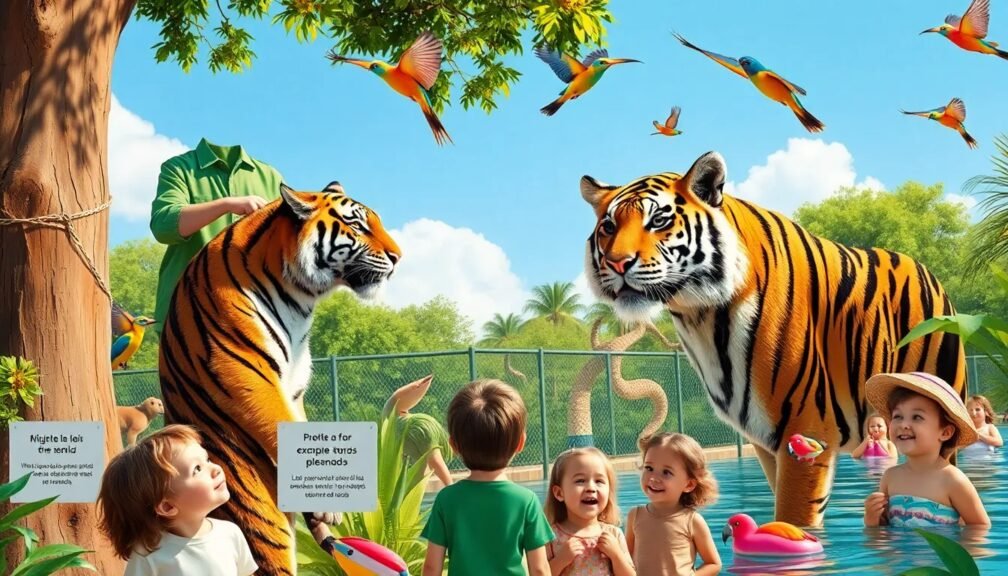
Zoos have long captivated the imagination of people around the globe. Whether it’s the thrill of watching a lion roars, the playful antics of monkeys, or the serene beauty of a peacock, these institutions do more than just display animals; they are centers for education, conservation, and animal care. In this article, we’ll delve into the fascinating world of zoos, exploring how they operate, the vital role they play in conservation, and the intricacies of animal care.
What Are Zoos?
Zoos are facilities where animals are housed for public exhibition and educational purposes. They aim to foster a connection between people and wildlife while educating the public about conservation efforts. Most modern zoos go beyond the traditional concept of displaying animals in cages. They focus on creating naturalistic habitats, emphasizing animal welfare, and promoting conservation initiatives.
The Evolution of Zoos
Historically, zoos began as collections of exotic animals displayed for entertainment. However, as our understanding of animal behavior and environmental issues has evolved, so too have these institutions. Today’s zoos prioritize conservation and education, reflecting a significant shift in societal values toward wildlife protection and ecological sustainability.
The Role of Zoos in Conservation
Conservation is one of the most crucial roles of modern zoos. With numerous species facing extinction due to habitat loss, poaching, and climate change, zoos have taken on the responsibility of not only protecting animals within their walls but also in the wild.
Breeding Programs
One of the key conservation initiatives at many zoos is the establishment of breeding programs aimed at endangered species. Zoos often collaborate through the Species Survival Plan (SSP) to maintain genetic diversity and ensure the long-term survival of vulnerable species. For example, the California condor, once nearly extinct, has seen a population resurgence thanks to concerted breeding efforts within zoos.
Habitat Restoration
In addition to breeding programs, zoos often contribute to habitat restoration projects. They may work in collaboration with various environmental organizations to rehabilitate ecosystems, ensuring that animals can thrive in their natural habitats. This aspect of conservation demonstrates a holistic approach, integrating animal care with broader ecological initiatives.
Animal Care: Expertise and Compassion
Behind every successful zoo lies a team of dedicated professionals who specialize in animal care. Their expertise encompasses everything from veterinary medicine to behavior enrichment, ensuring the physical and psychological well-being of the animals.
Veterinary Care
Veterinarians at zoos play a critical role in ensuring the health of the animals. They conduct routine health check-ups, vaccinations, and specialized medical procedures to address any health concerns. The veterinary care provided in zoos is often cutting-edge, utilizing advanced techniques that may not be widely available outside of these institutions.
Nutrition
Proper nutrition is essential for the well-being of animals. Zoo staff carefully formulate diets tailored to the specific needs of each species. This attention to dietary requirements helps prevent health issues and supports the animals’ growth and longevity. Additionally, education about the nutritional needs of various species can help raise awareness of animal care practices.
Enrichment Programs
Providing mental and physical stimulation for animals is crucial to their overall well-being. Zoos implement enrichment programs that encourage natural behaviors, allowing animals to explore, forage, or play. These programs may include puzzle feeders, interactive toys, or changes in habitat that simulate wild conditions. Enrichment helps prevent behavior problems and promotes a healthier, more engaging environment for the animals.
Education and Public Engagement
Zoos serve as educational hubs, fostering a connection between people and wildlife. Through various programs, zoos aim to raise awareness about conservation efforts and the importance of protecting endangered species.
Educational Programs
Many zoos offer educational programs for all age groups. These programs may include guided tours, workshops, and hands-on experiences that teach visitors about animal care, conservation, and environmental issues. By engaging with the public, zoos play a crucial role in inspiring future generations to become advocates for wildlife.
Community Involvement
Zoos often actively engage with their local communities. They hold events, collaborate with schools, and participate in conservation efforts outside of their facilities. This community involvement helps cultivate a culture of awareness and action, further amplifying their conservation messages.
Ethical Considerations in Zoos
While modern zoos strive to improve animal welfare and conservation, ethical considerations continue to arise. The debate around whether animals should be kept in captivity versus in the wild is a complex issue.
The Case for Zoos
Supporters argue that zoos provide a safe haven for endangered species, contribute to vital research, and educate the public about wildlife and conservation issues. Well-managed zoos can offer a breeding ground for species at risk of extinction and raise funds for conservation projects.
The Challenges
Conversely, critics argue that even the best zoos can’t fully replicate the animals’ natural environments, raising concerns about their psychological well-being. These debates highlight the need for continuous improvement in facilities, education, and animal care practices within zoos.
How to Support Your Local Zoo
There are several ways you can actively support your local zoo and their efforts in animal care and conservation:
Visit and Experience
By visiting your local zoo, you not only increase awareness of animal conservation but also provide crucial funding that supports their work. Ticket receipts often contribute to animal care, habitat restoration, and conservation programs.
Join Membership Programs
Most zoos offer membership programs that provide benefits for regular visitors. Membership fees often go directly towards animal care, research, and educational initiatives, making it a great way to show your support.
Volunteer Opportunities
Many zoos have volunteer programs where you can get involved in conservation efforts, education, and animal care. These programs offer valuable experience while allowing you to contribute to the mission of wildlife protection.
Conclusion
Zoos play an indispensable role in animal care and conservation. Through breeding programs, education, and community engagement, they foster a deeper connection between humans and wildlife. While ethical considerations regarding animal captivity continue to be debated, the focus remains on improving animal welfare and promoting conservation.
By engaging with your local zoo, whether through visits, memberships, or volunteer opportunities, you can support the vital work they do. Together, we can help ensure that future generations inherit a world rich in biodiversity and wildlife. Zoos are more than merely places to see animals; they are beacons of hope for conservation and sources of learning and inspiration.
With the right knowledge and support, we can all play a part in preserving the fascinating world of animals for years to come. Remember, every small action contributes to a larger impact — a healthier planet and a brighter future for wildlife.