Architecture is a reflection of society, history, and culture; it tells stories of human ambition and creativity. Iconic buildings serve as symbols of innovation, artistry, and engineering prowess, captivating us by their mere presence. From ancient wonders to modern skyscrapers, these structures shape our environment and often become fervent tourist destinations. This article explores iconic buildings around the world, delving into their history, design, and cultural significance while showcasing the marvels that continue to inspire generations.
The Significance of Iconic Buildings
A Cultural Touchstone
Iconic buildings are more than just structures; they embody the spirit of the times in which they were built. They stand as representatives of their culture and serve as historical touchstones, reflecting the values and aspirations of their creators. A visit to landmarks like the Great Wall of China or the Taj Mahal evokes a sense of wonder, transporting us back through time to the eras of their construction.
Architectural Innovation
Each iconic building showcases architectural innovation. From the grandeur of Gothic cathedrals to the sleek lines of modernist towers, these structures exemplify the evolution of design and engineering. Innovative construction techniques have often emerged from the challenges faced during their creation, leading to advancements that benefit future generations of architects and builders.
Notable Iconic Buildings Around the World
1. The Eiffel Tower, Paris, France
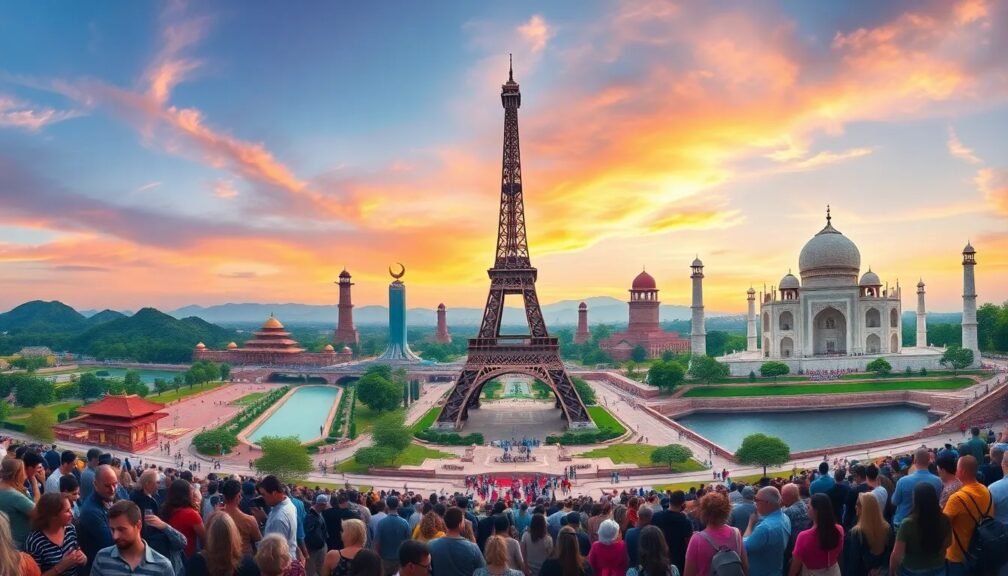
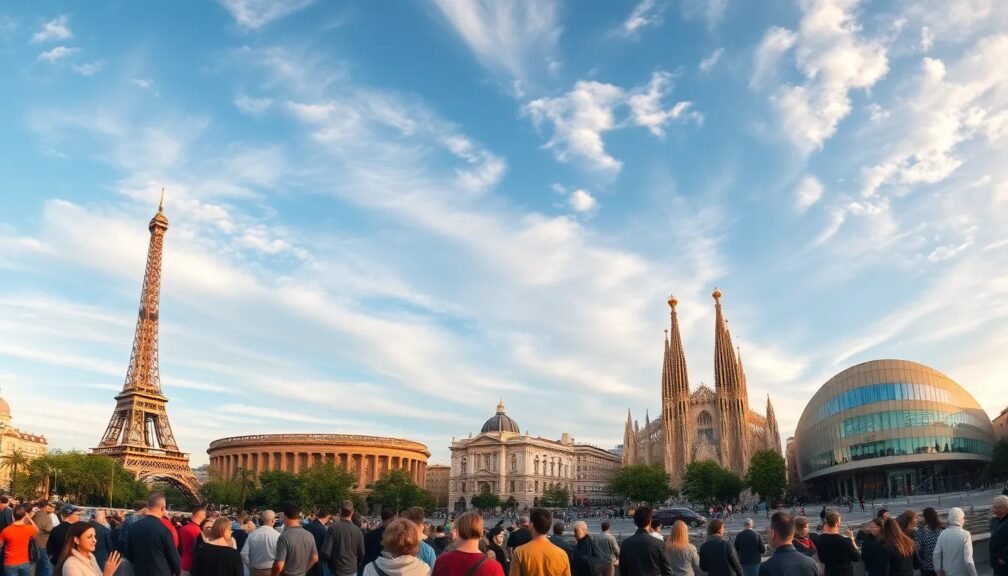
No discussion of iconic buildings would be complete without the Eiffel Tower. Completed in 1889, this wrought-iron lattice tower stands at 1,083 feet tall, symbolizing Paris and French artistic ingenuity. Originally criticized by some of the era’s leading artists, it has become an undisputed emblem of French culture.
2. The Great Pyramid of Giza, Egypt
As one of the Seven Wonders of the Ancient World, the Great Pyramid of Giza has stood for over 4,500 years. With its precise engineering and grand scale, the pyramid reflects the advanced knowledge of mathematics and astronomy possessed by the ancient Egyptians. Its construction methods remain a topic of fascination and speculation.
3. The Sydney Opera House, Australia
Renowned for its unique shell-like design, the Sydney Opera House is an iconic cultural landmark completed in 1973. Designed by Danish architect Jørn Utzon, its futuristic appearance and location on Sydney Harbour create a stunning visual spectacle. This architectural marvel not only serves as a performing arts center but also as a testament to creative engineering.
4. The Colosseum, Rome, Italy
An embodiment of ancient Roman engineering, the Colosseum is a marvel that has endured for millennia. Completed in AD 80, this amphitheater could seat over 50,000 spectators. It was originally used for gladiatorial contests and public spectacles, symbolizing the grandeur of Rome and its architectural prowess.
5. The Burj Khalifa, Dubai, UAE
As the tallest building in the world, the Burj Khalifa stands at 2,717 feet. Completed in 2010, this architectural wonder represents modern engineering and ambition. Its sleek design, inspired by traditional Islamic architecture, integrates uniquely advanced materials and technology, making it an exemplar of contemporary skyscraper design.
Architectural Styles and Their Impact
Exploring iconic buildings also involves understanding the various architectural styles that shape them.
Gothic Architecture
Characterized by soaring cathedrals and intricate facades, Gothic architecture flourished during the Middle Ages. Iconic buildings like the Notre Dame Cathedral exemplify this style, featuring ribbed vaults, flying buttresses, and stained-glass windows that tell biblical stories.
Modernism
Emerging in the late 19th and early 20th centuries, modernism emphasized minimalism and function. Icons like the Villa Savoye by Le Corbusier reflect this philosophy with clean lines and an absence of ornamentation, prioritizing utility over aesthetic embellishment.
Postmodern Architecture
The late 20th century witnessed a reaction against the strict principles of modernism with the rise of postmodern architecture, which reintroduced historical references and eclectic styles. The Piazza d’Italia in New Orleans serves as a prime example of this playful blending of forms and colors, creating vibrant public spaces.
A Journey of Iconic Buildings by Continent
North America
The United States boasts several iconic buildings, including the Statue of Liberty and the Chrysler Building. Each structure tells a story of its time, encapsulating the American spirit of freedom and innovation.
Europe
With its rich history and diverse architectural styles, Europe is home to numerous iconic structures, from the Sagrada Familia in Spain to the Parthenon in Greece. These buildings attract millions of visitors each year and foster appreciation for cultural heritage.
Asia
Asia’s skyline is dotted with awe-inspiring buildings like the Tokyo Skytree and the Petronas Towers. These structures represent the rapid advancement in technology and design that has characterized the continent.
Africa
In Africa, the Great Mosque of Djenné and the Nelson Mandela Bridge serve as symbols of both cultural significance and modern connections. They illustrate the rich history and future aspirations of the continent.
Australia
Apart from the Sydney Opera House, Australia also boasts the Melbourne Cricket Ground, reflecting the country’s passion for sports and the social gatherings that have taken place there for over a century.
The Future of Iconic Buildings
As we look ahead, the design of iconic buildings will continue to evolve. Sustainable architecture, which emphasizes environmental responsibility and efficiency, is becoming increasingly important. Innovations in green building materials and technologies are reshaping the construction landscape, leading to structures that harmonize with their surroundings and reduce ecological footprints.
Actionable Insights
-
Explore Locally: While it’s easy to get caught up in the glamour of international landmarks, there may be iconic buildings in your local area waiting to be discovered. Take time to appreciate and learn about them.
-
Engage in Sustainable Practices: As we design and construct new buildings, advocating for sustainable architecture can lead to a more harmonious relationship with the environment.
-
Promote Cultural Heritage: Support local and national efforts to preserve iconic buildings, recognizing their significance in our cultural landscapes.
-
Embrace Architectural Education: Consider enrolling in architecture or design courses to deepen your understanding of how iconic buildings are created and their cultural implications.
Conclusion
Iconic buildings are more than mere architectural feats; they are symbols of human creativity, ambition, and cultural identity. By exploring these architectural marvels, we gain insights into our past and perspectives on our future. Whether you stand before the grandeur of the Colosseum or marvel at the sleek lines of the Burj Khalifa, you are participating in a rich tapestry of history and innovation that continues to shape our world.
Embrace the journey through iconic buildings, and let their stories inspire you to appreciate and protect the architectural heritage that surrounds us.